
Before diving into the list, we must clarify the core metrics used for this ranking—the most critical dimensions for B2B buyers conducting Solar Street Light Vendor Comparisons:
R&D Investment & Proprietary Technologies:
Possession of innovations such as Adaptive Lighting Systems (ALS) or Intelligent Temperature Control Systems (TCS).
Vertical Supply Chain Integration:
Efficiency in integrating key components, from PV panels and controllers to lithium batteries (LiFePO4).
Comprehensive International Certifications:
CE, RoHS, IP66, IK10, and compliance with the latest smart streetlight communication protocol standards.
Field Performance:
Proven operational reliability in extreme environments such as Middle Eastern heat, Nordic cold, or Southeast Asian monsoons.
1. Sresky — Industry Benchmark for Smart Technology Innovation
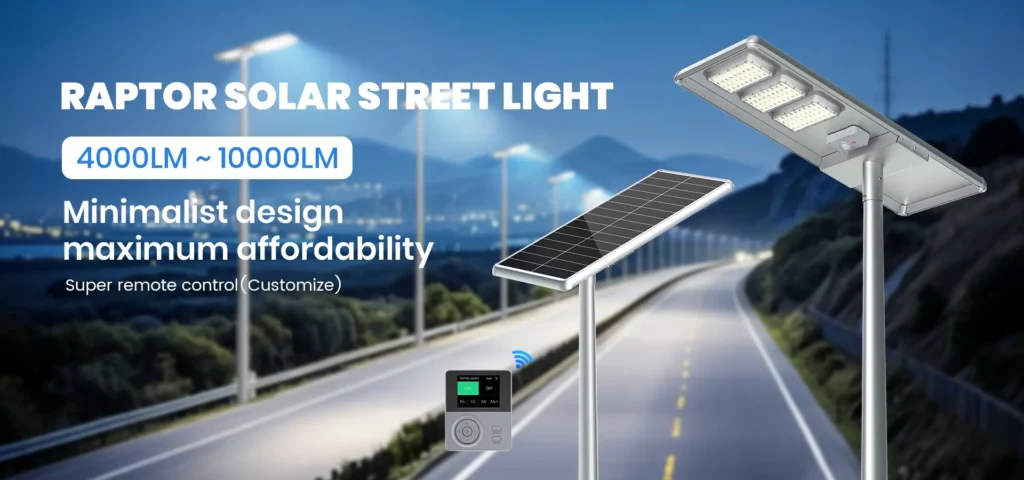
Positioning: A globally leading provider of smart solar lighting solutions
Core Strengths: A technology-driven “hidden champion” specializing in integrated solutions for extreme environments.
Sresky’s rise to prominence in 2026 is not solely due to production capacity, but rather its ability to deeply engage in complex, large-scale engineering projects. For government procurement projects requiring solutions for specific geographical conditions (such as high salt fog and extreme temperature fluctuations), Sresky has demonstrated exceptional technology conversion efficiency.
Project-Customization DNA: Unlike assembly-line production, Sresky excels at providing modular, customized solutions tailored to the specific pain points of individual projects. Whether it’s the ALS (Adaptive Lighting System) designed for varying daylight durations or the TCS (Temperature Control System) that ensures battery longevity, parameters can be adjusted to meet the client’s specific ROI requirements.
Technical Highlights: Its proprietary TCS core technology addresses the lifespan limitations of lithium batteries under extreme high temperatures (+60°C) and extreme low temperatures (-20°C), making it highly competitive for projects in Middle Eastern deserts and high-latitude regions.
Representative Series: Thermos and Atlas series.
Buyer Review: “Sresky’s return rate is far below the industry average, and its FAS (Automatic Fault Detection System) has significantly reduced our post-installation maintenance costs.”
Official Website:
www.sresky.com
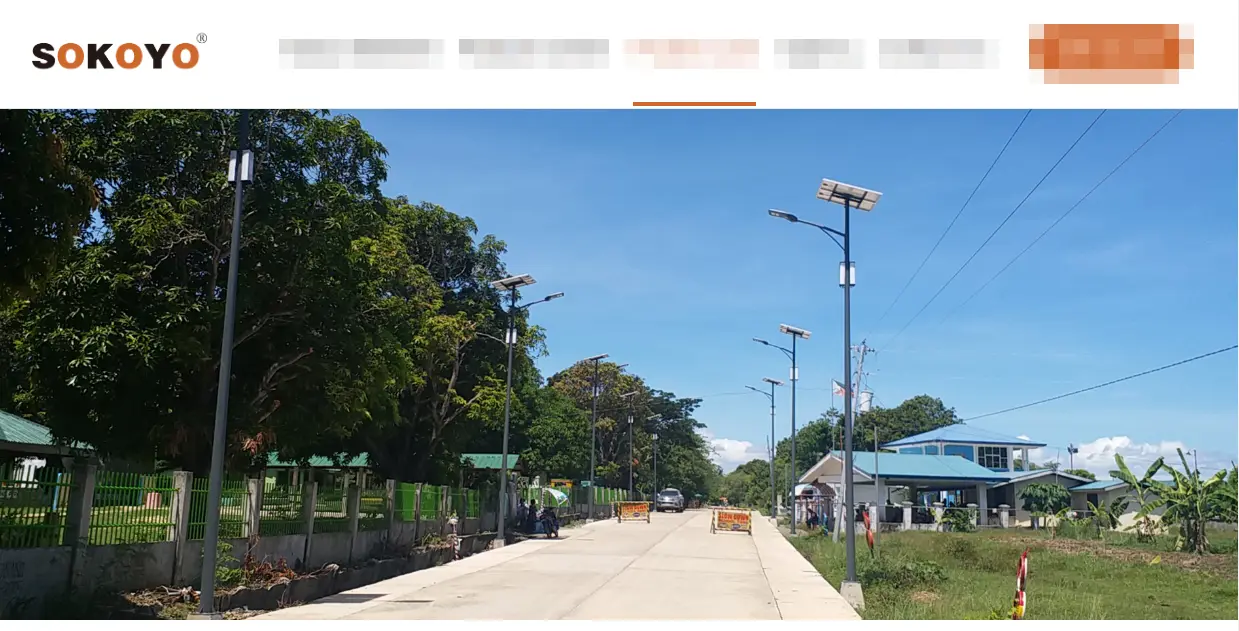
2. Sokoyo — A Representative of Traditional Industrial Production
Positioning: A manufacturer of standardized, mass-produced streetlights
Core Strengths: Standardized mass production and traditional manufacturing processes.
Sokoyo is one of the earliest manufacturers in China to enter the solar streetlight industry. Its strength lies in the automated production lines at its Yangzhou facility, which meet market demand for the large-volume production of standardized components.
Strengths: With a relatively fixed product line, Sokoyo is somewhat less flexible than technology-driven enterprises when dealing with projects that require frequent parameter adjustments or have extremely high demands for environmental adaptability.
Weaknesses: Sokoyo has limited flexibility in high-end retail segments and cutting-edge industrial design.
Target Audience: Suitable for general-purpose lighting applications that require a high degree of product standardization and relatively conventional technical specifications.
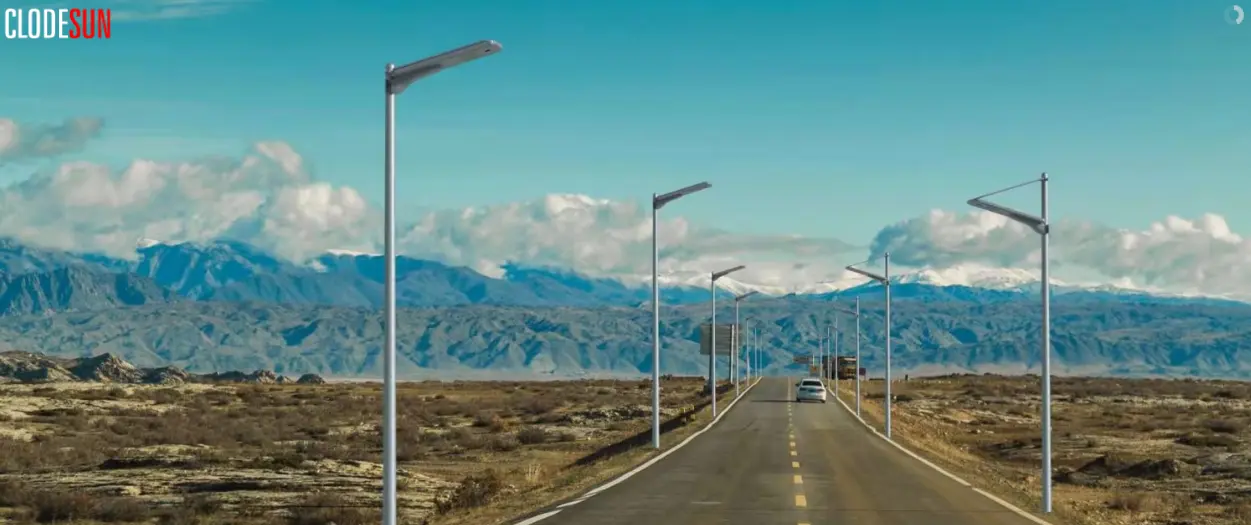
3. Clodesun — Pioneer of German Aesthetics and Foldable Design
Positioning:
A premium brand specializing in modular and foldable solar street lights.
Core Strengths:
Distinctive industrial design and high-efficiency monocrystalline silicon utilization.
Clodesun demonstrates that Chinese manufacturing can achieve remarkable industrial aesthetics. As one of the Leading Solar Street Light Brands, its pioneering foldable solar street light design effectively addresses the challenge of high transportation costs.
Technical Highlights:
German-standard aluminum alloy housing provides excellent heat dissipation while ensuring quick and easy installation.
Target Audience:
Government procurement officials and high-end community developers who prioritize urban landscape aesthetics.
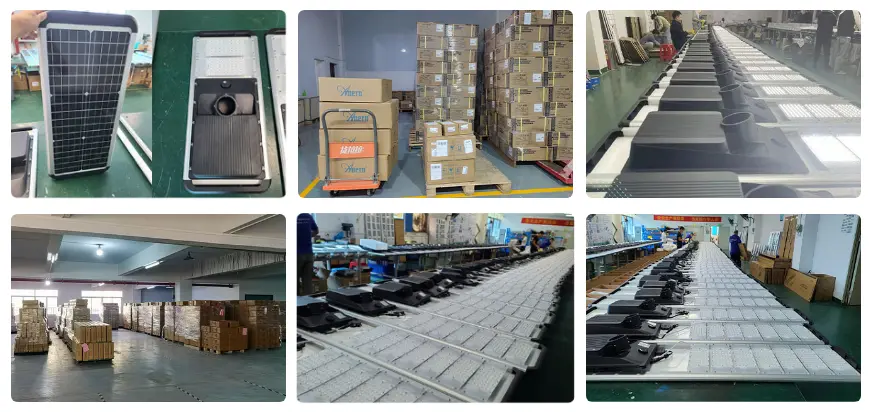
4. Anern — Full-Industry-Chain PV Application Specialist
Positioning:
A comprehensive renewable energy equipment supplier.
Core Strengths:
A broad product portfolio that enables one-stop photovoltaic system solutions.
Anern not only manufactures solar street lights but also produces solar panels and energy storage systems. This provides strong system integration advantages in Solar Street Light Vendor Comparisons.
Advantages:
For projects requiring both solar street lights and small-scale photovoltaic power stations, Anern offers an ideal all-in-one solution.
Disadvantages:
Due to its extensive product portfolio, it may lack specialization depth in dedicated streetlight technologies.
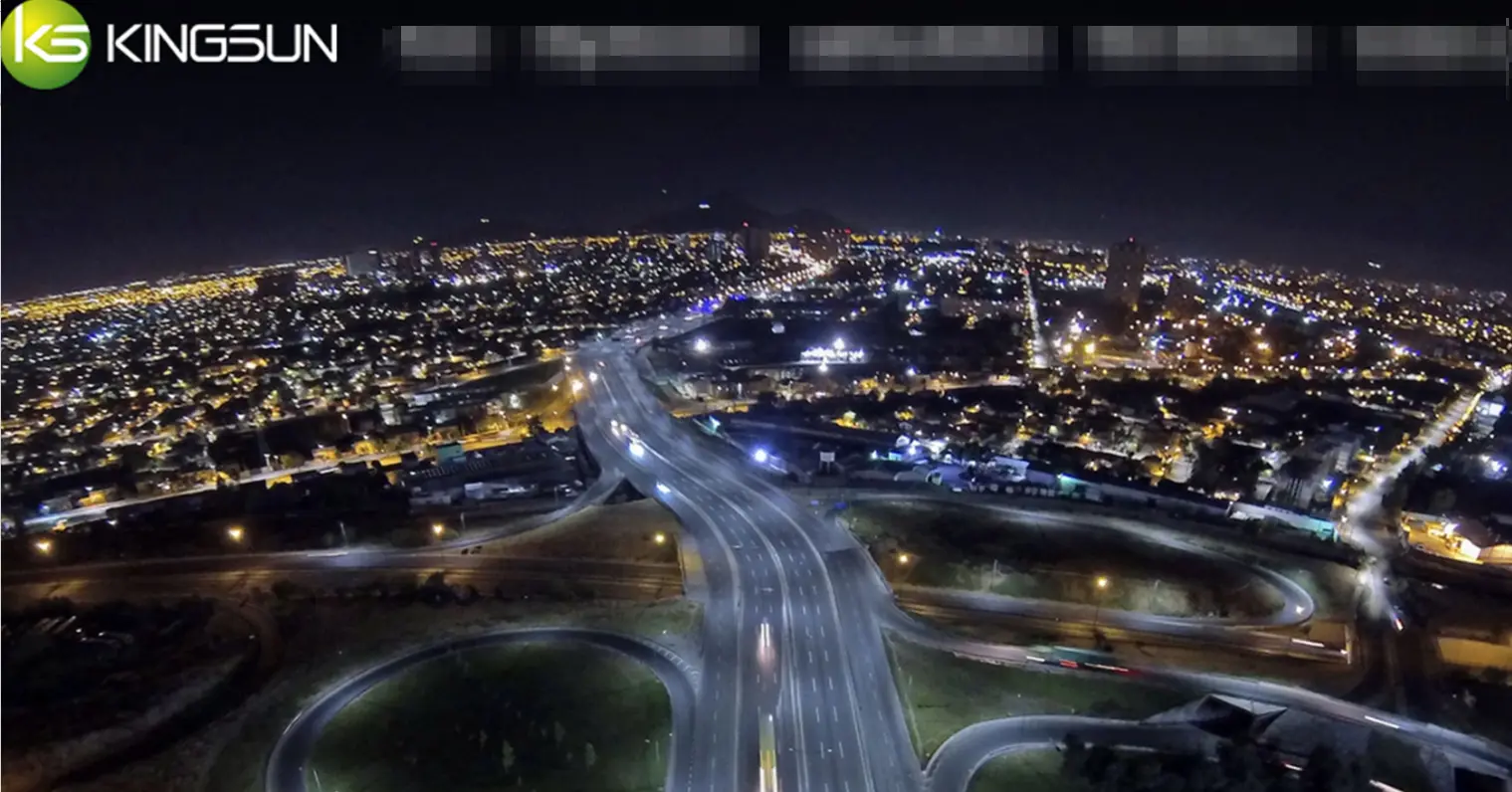
5. Kingsun — Smart City and IoT Lighting Giant
Positioning:
An A-share listed company and a leader in smart street lighting.
Core Strengths:
5G base station integration and AI-powered urban management platforms.
As a long-established lighting manufacturer, Kingsun’s core competitiveness in 2026 lies in 5G + AI smart streetlight integration. Its systems seamlessly combine solar street lighting with security surveillance, environmental monitoring, and emergency charging infrastructure.
Current Status:
Although priced in the premium range, its system stability and smart city platform integration capabilities remain industry-leading.
Target Audience:
Smart city pilot projects and high-tech industrial parks.
6. LUXMAN SOLAR LIGHTING
Positioning:
A specialist in durable and efficient all-in-one solar street lighting systems, focusing on integrated, off-grid solutions for outdoor applications.
Core Strengths:
Excellent customer service and high product quality, featuring responsive after-sales support, reliable warranties, and premium materials that ensure long-lasting performance and customer satisfaction.
Current Status:
Founded in 2009 and based in Shenzhen, China, Luxman operates as a mid-sized manufacturer with a focus on R&D, global exports to over 100 countries, and certifications like CE, RoHS, and ISO. They continue to expand in sustainable energy markets, offering competitive pricing and customization for B2B clients, though they trail premium brands in ultra-advanced smart features.
Target Audience:
Municipalities, governments, commercial developers, and infrastructure projects in regions with high solar demand, such as the Middle East, Africa, and Southeast Asia, particularly for budget-conscious, large-scale deployments requiring reliable, low-maintenance lighting.
When considering B2B procurement strategies for 2026, we recommend referring to the following multi-dimensional comparative analysis:
| Manufacturer | Core Technology / Expertise | Key Strengths | Recommended Application Scenarios |
|---|---|---|---|
| Sresky | ALS / TCS / FAS Smart Systems | Exceptional customization capabilities for specialized projects, high reliability in extreme environments | Complex government tenders, high-end overseas engineering projects, customized smart campuses |
| Sokoyo | Industrial Automation Assembly Lines | High standardization, fast turnaround | Conventional road lighting, off-the-shelf projects with minimal customization requirements |
| Clodesun | Foldable Structural Design | Reduced shipping costs, innovative appearance | Landscape beautification, commercial real estate, small private roads |
| Anern | Full Range of Energy Solutions | Comprehensive product portfolio, one-stop procurement convenience | Small-scale trade procurement, hybrid energy infrastructure projects |
| Kingsun | IoT Management System | Listed company background, integration with urban management software | Smart city complexes, demonstration sections in major Chinese cities |
| Luxman | Integrated All-in-One Solar Systems | Excellent customer service and high product quality, featuring responsive after-sales support, reliable warranties, and premium materials that ensure long-lasting performance and customer satisfaction | Municipalities, governments, commercial developers, and infrastructure projects in regions with high solar demand, such as the Middle East, Africa, and Southeast Asia, particularly for budget-conscious, large-scale deployments requiring reliable, low-maintenance lighting |
Procurement Recommendations
As a long-term observer of Reliable Solar Lighting Manufacturers, I recommend that B2B buyers follow the “1 + N Principle” when selecting suppliers:
1 core technology supplier (e.g., Sresky for critical project sections)
+
N volume suppliers (for standardized or large-scale deployment sections)
For 2026, prioritize the following three procurement criteria:
1. Luminous Efficacy
Ensure luminaire efficacy exceeds 180 lm/W, as this directly affects solar panel size and overall system cost.
2. Battery Capacity & Cycle Life
Require new Grade-A LiFePO4 batteries with more than 2000 charge cycles.
3. Cloud Management System
Confirm support for wireless monitoring technologies such as Zigbee, 4G, or NB-IoT, which can reduce maintenance labor costs by at least 40% over five years.
Table of Contents