
Table of Contents / 目录
- I. Introduction: Indonesia’s “Age of Exploration” in Infrastructure Development
- II. Policy Barriers: An In-Depth Analysis of SNI Certification and TKDN Requirements
- III. Environmental Challenges: The “Corrosion Resistance” Technology Challenge
- IV. Practical Selection: How Do EPC Contractors Screen for Suppliers?
- V. Case Study: From Project Acceptance Failure to “Zero-Risk” Delivery
- VI. 2026 Trends: Smart Technology and ESG in Indonesian Tenders
- VII. Conclusion: Establishing a “Long-Term Approach”
I. Introduction: Indonesia’s “Age of Exploration” in Infrastructure Development
Indonesia, an archipelago comprising more than 17,000 islands, is currently experiencing a historic period of development opportunities. Construction of the new capital, Nusantara (IKN), is in full swing. Combined with the “Golden Indonesia 2045” vision, this is driving large-scale infrastructure investment.
As a core solution for rural electrification, smart cities, and road lighting, demand for solar street lights is growing rapidly. However, many international engineering contractors (EPC contractors) with high-quality solar street light products have repeatedly failed to win government tenders.
The primary reason is not that their products are insufficiently bright, but a severe underestimation of the requirements for SNI mandatory certification and the ability to withstand extreme environmental conditions. In Indonesia, qualified solar street lights must simultaneously meet three key criteria—compliance, durability, and localization—to truly enter the government project supply chain.
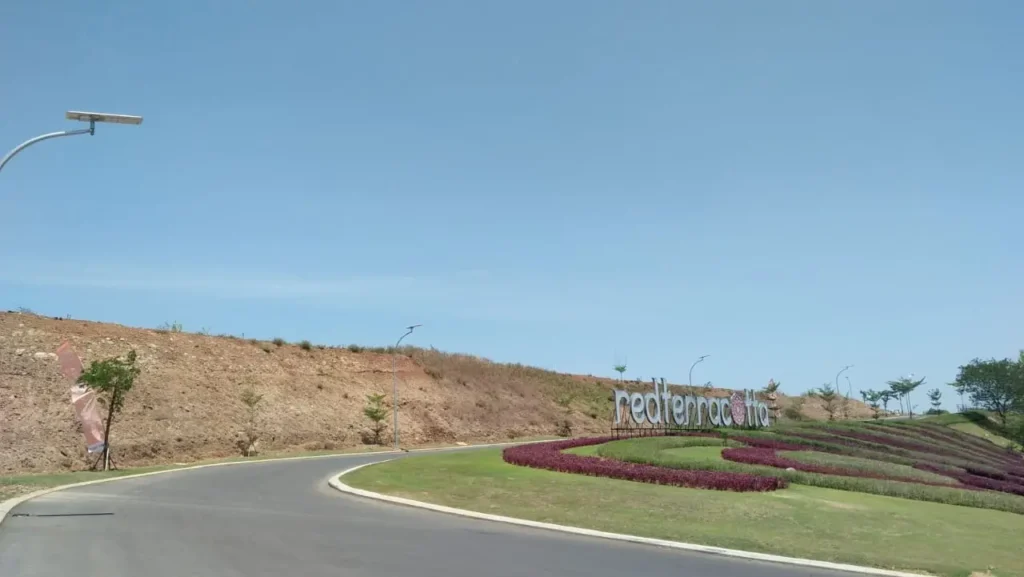
II. Policy Barriers: An In-Depth Analysis of SNI Certification and TKDN Requirements
SNI (Standard Nasional Indonesia) Certification: The “Legal ID” for Market Entry
SNI is a national standard established by the Indonesian National Standardization Agency (BSN). Solar street lighting fixtures fall under the mandatory category, primarily adhering to the SNI IEC 60598 series (luminaire safety standards) and SNI IEC 61215 series for photovoltaic modules.
Starting in 2024–2025, additional requirements include trademark registration, designation of an official representative, and SPPT (Certificate of Product Conformity) approval. It serves as an essential “ID” for bidding.
The Impact of TKDN (Local Content Requirement)
TKDN (Tingkat Komponen Dalam Negeri) is mandatory for government procurement. Tenders typically require a TKDN rate of 25%–40% or higher. International brands can partner with local Indonesian assemblers to supply core technological components, securing policy incentives and bidding advantages.
III. Environmental Challenges: The “Corrosion Resistance” Technology Challenge in an Archipelagic Nation
Indonesia’s climate poses severe challenges due to high salt fog, high humidity, and strong winds. Standard products often experience rusted brackets and internal condensation within 1–2 years.
High Salt Fog and C5-Class Corrosion Resistance Standards
Most coastal areas in Indonesia fall under the C5-M (Extremely High Corrosion – Marine) environment. Recommended protection includes:
- Use ADC12 low-copper aluminum alloy or stainless steel.
- Apply anodizing plus fluorocarbon coating.
- Use SUS304/SUS316 stainless steel for critical fasteners.
IP66 Protection and Tropical Downpours
Indonesia requires luminaires to meet an IP66 or higher protection rating. Key technologies include multi-seal ring designs and Pressure Equalization Valves to prevent condensation.
IV. Practical Selection: How Do EPC Contractors Screen for Suppliers with “High Entry Standards and Low TCO”?
Pre-qualification Checklist:
| Requirement Category | Key Verification Items |
|---|---|
| Compliance | SNI certificates, IES, LM-79, LM-80 reports |
| Durability | Salt spray testing (C5 level), IP66+, IK10 impact reports |
| Localization | TKDN partnership proposals and local support capabilities |
Recommended Product Series — SRESKY ATLAS Series
Specifically designed for extreme climates like Indonesia’s:
- High luminous efficacy: Over 180 lm/W.
- Temperature Control: TCS technology plus ALS intelligent power management.
- Durability: High-quality LiFePO4 batteries with over 3,000 charge cycles.
V. Case Study: From Project Acceptance Failure to “Zero-Risk” Delivery
Negative Case: An EPC contractor failed project acceptance due to insufficient anti-corrosion treatment and incomplete SNI reports, resulting in liquidated damages.
Best Practice: An Indonesian rural lighting project selected SRESKY ATLAS series products compliant with SNI standards. The supplier provided technical endorsements and test reports, enabling smooth project acceptance and significantly reduced maintenance frequency.
VI. 2026 Trends: The Growing Importance of Smart Technology and ESG in Indonesian Streetlight Tenders
In 2026, solar street lights integrated with 4G/Zigbee IoT control will receive policy support, enabling remote monitoring and fault alerts. Concurrently, international development banks (ADB, World Bank) will emphasize ESG standards. Products featuring recyclable materials and a low carbon footprint help contractors stand out in green procurement.
VII. Conclusion: Establishing a “Long-Term Approach” to Compliance and Quality
Indonesian government projects represent a competition centered on SNI + TKDN + C5 corrosion resistance. Contractors should establish strategic supply chains with suppliers possessing mature compliance expertise early.
Expert Recommendation: Develop a product portfolio aligned with the Indonesian market. Through technology transfer and collaboration with local partners, transform from “participant” to “leader.”
Contact SRESKY immediately to obtain professional compliance product manuals, technical support, and localized solutions tailored to the Indonesian market. Let’s work together to create a zero-risk lighting project!