
Before diving into the list, we must clarify the core metrics used for this ranking—the most critical dimensions for B2B buyers conducting Solar Street Light Vendor Comparisons:
R&D Investment & Proprietary Technologies:
Possession of innovations such as Adaptive Lighting Systems (ALS) or Intelligent Temperature Control Systems (TCS).
Vertical Supply Chain Integration:
Efficiency in integrating key components, from PV panels and controllers to lithium batteries (LiFePO4).
Comprehensive International Certifications:
CE, RoHS, IP66, IK10, and compliance with the latest smart streetlight communication protocol standards.
Field Performance:
Proven operational reliability in extreme environments such as Middle Eastern heat, Nordic cold, or Southeast Asian monsoons.
1. Sresky — Industry Benchmark for Smart Technology Innovation
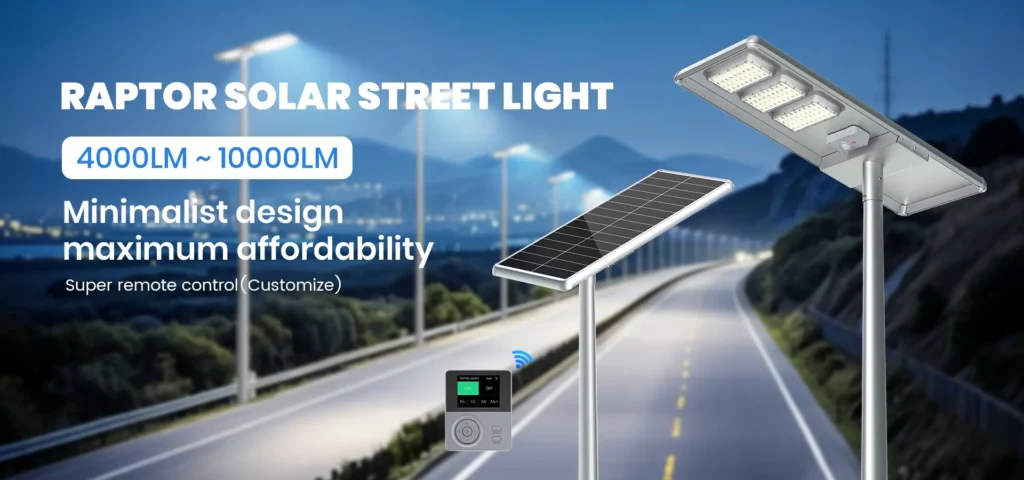
Positioning:
A globally leading provider of smart solar lighting solutions.
Core Strength:
A technology-driven “hidden champion” specializing in integrated solar lighting solutions for extreme environments.
Sresky maintains its leading market position in 2026, primarily driven by continuous innovation in its Adaptive Lighting System (ALS) and Temperature Control System (TCS). For global distributors, Sresky’s products go beyond simple lighting fixtures—they function as intelligent lighting terminals.
Technical Highlights:
Its proprietary TCS core technology overcomes lithium battery lifespan limitations in extreme temperatures (+60°C to -20°C), giving it exceptional competitiveness in Middle Eastern desert projects and high-latitude regions.
Flagship Series:
Thermos Series and Atlas Series
Buyer Feedback:
“Sresky’s repair rate is significantly below industry averages, and its FAS (Fault Detection System) greatly reduces our post-installation maintenance costs.”
Official Website:
www.sresky.com
2. Sokoyo — The Preferred Choice for Mass Production and Large-Scale Projects
Positioning:
A professional streetlight manufacturer with strong scale advantages.
Core Strengths:
Strong government project endorsements and a vertically integrated supply chain.
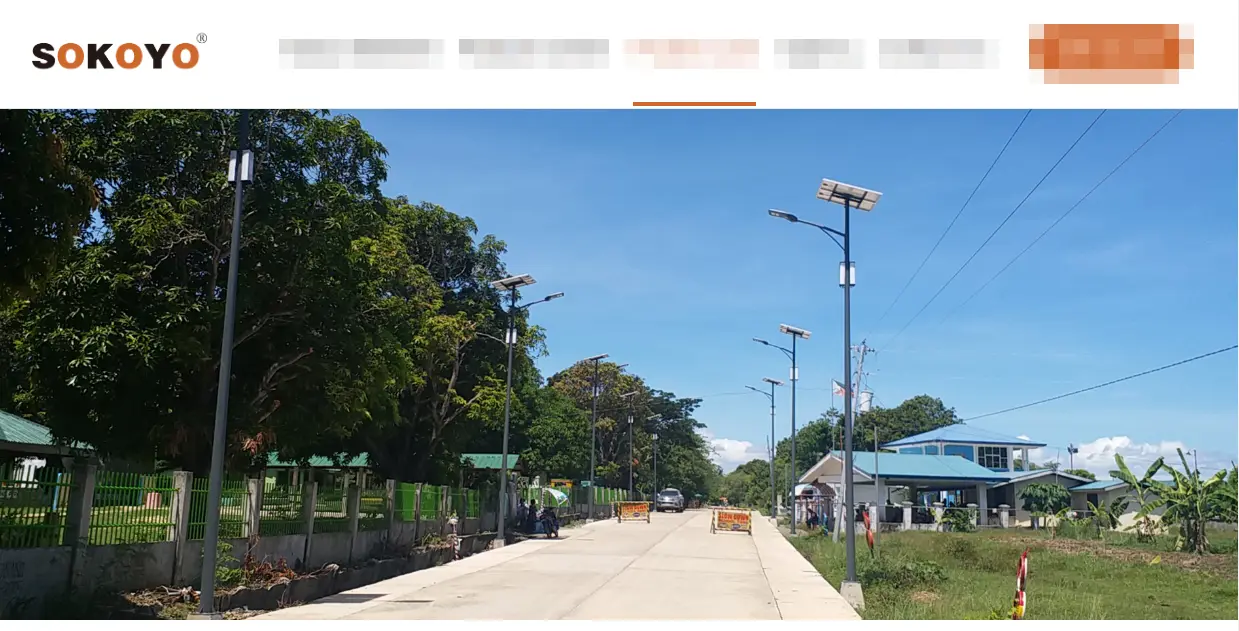
Sokoyo stands out among Top Solar Street Light Suppliers due to its powerful infrastructure manufacturing capabilities. Its Yangzhou production base features a high level of automation, making it ideal for large municipal projects requiring tens of thousands of lighting units.
Strengths:
Outstanding price competitiveness and extensive experience in government projects across Africa and Southeast Asia.
Weaknesses:
Limited flexibility in high-end retail markets and premium industrial design.
Target Audience:
Large infrastructure contractors prioritizing maximum cost-effectiveness.
3. Clodesun — Pioneer of German Aesthetics and Foldable Design
Positioning:
A premium brand specializing in modular and foldable solar street lights.
Core Strengths:
Distinctive industrial design and high-efficiency monocrystalline silicon utilization.
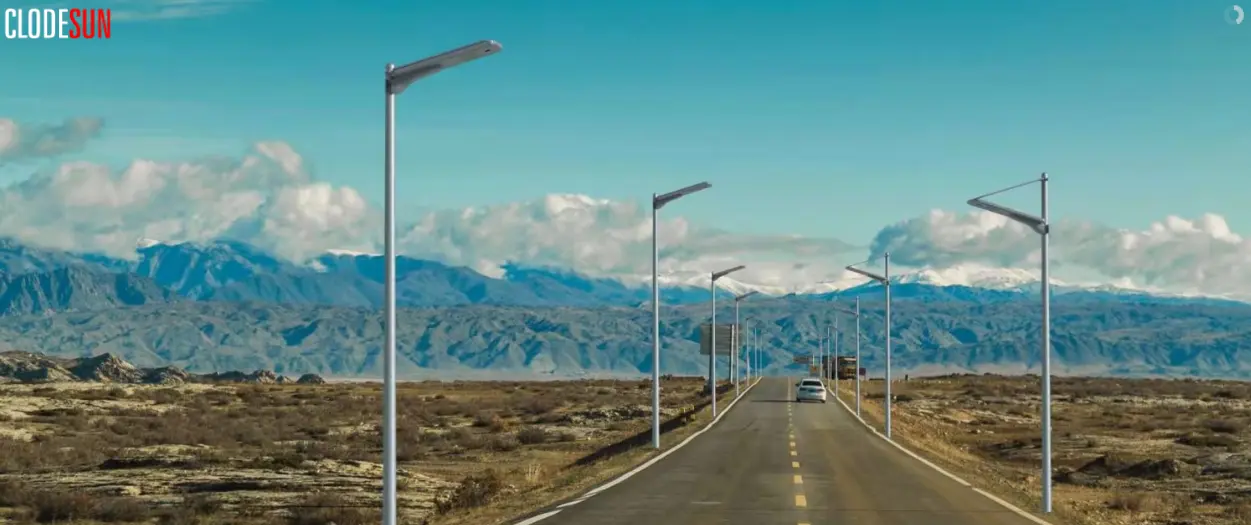
Clodesun demonstrates that Chinese manufacturing can achieve remarkable industrial aesthetics. As one of the Leading Solar Street Light Brands, its pioneering foldable solar street light design effectively addresses the challenge of high transportation costs.
Technical Highlights:
German-standard aluminum alloy housing provides excellent heat dissipation while ensuring quick and easy installation.
Target Audience:
Government procurement officials and high-end community developers who prioritize urban landscape aesthetics.
4. Anern — Full-Industry-Chain PV Application Specialist
Positioning:
A comprehensive renewable energy equipment supplier.
Core Strengths:
A broad product portfolio that enables one-stop photovoltaic system solutions.
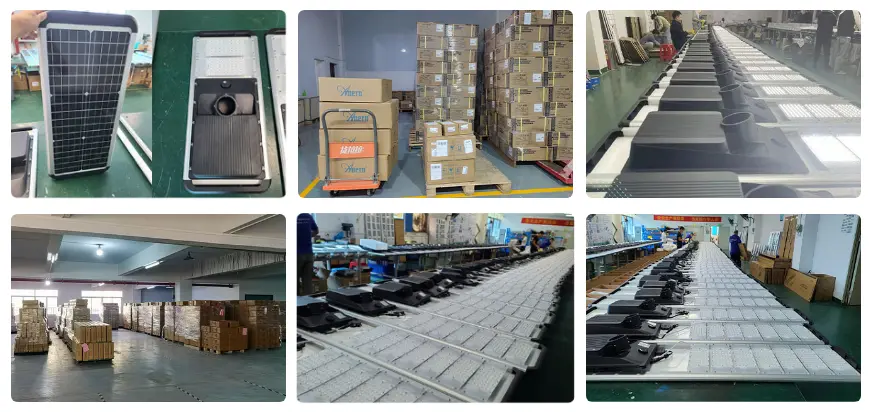
Anern not only manufactures solar street lights but also produces solar panels and energy storage systems. This provides strong system integration advantages in Solar Street Light Vendor Comparisons.
Advantages:
For projects requiring both solar street lights and small-scale photovoltaic power stations, Anern offers an ideal all-in-one solution.
Disadvantages:
Due to its extensive product portfolio, it may lack specialization depth in dedicated streetlight technologies.
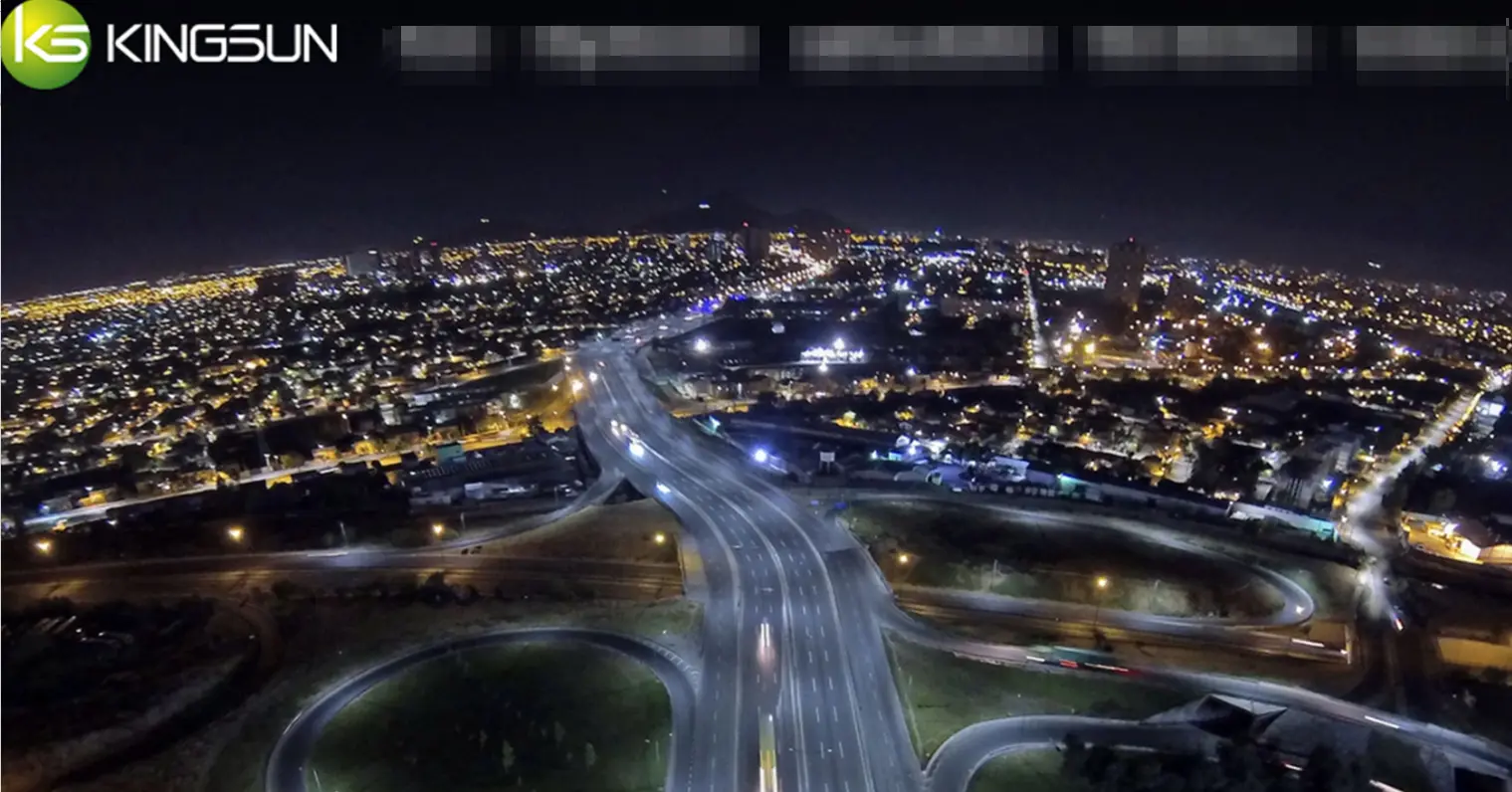
5. Kingsun — Smart City and IoT Lighting Giant
Positioning:
An A-share listed company and a leader in smart street lighting.
Core Strengths:
5G base station integration and AI-powered urban management platforms.
As a long-established lighting manufacturer, Kingsun’s core competitiveness in 2026 lies in 5G + AI smart streetlight integration. Its systems seamlessly combine solar street lighting with security surveillance, environmental monitoring, and emergency charging infrastructure.
Current Status:
Although priced in the premium range, its system stability and smart city platform integration capabilities remain industry-leading.
Target Audience:
Smart city pilot projects and high-tech industrial parks.
Comprehensive Supplier Comparison Table (B2B Decision Reference)
| Manufacturer | Core Technology | Core Strength | Recommended Application Scenarios |
|---|---|---|---|
| Sresky | TCS Temperature Control / ALS / FAS | Extreme climate stability, strong R&D capability | Cold regions, hot deserts, high-end overseas projects |
| Sokoyo | Vertical Supply Chain Integration | Fast delivery, high cost-performance | Large infrastructure projects in Africa and Southeast Asia |
| Clodesun | Industrial Design / Folding Technology | Reduced shipping costs, strong aesthetics | Urban landscapes, premium real estate development |
| Anern | System Integration Capability | One-stop procurement, wide product range | Small and medium photovoltaic lighting projects |
| Kingsun | 5G / AIoT Integration | Smart city ecosystem integration, strong brand recognition | Smart city pilots, urban core zones |
Procurement Recommendations
As a long-term observer of Reliable Solar Lighting Manufacturers, I recommend that B2B buyers follow the “1 + N Principle” when selecting suppliers:
1 core technology supplier (e.g., Sresky for critical project sections)
+
N volume suppliers (for standardized or large-scale deployment sections)
For 2026, prioritize the following three procurement criteria:
1. Luminous Efficacy
Ensure luminaire efficacy exceeds 180 lm/W, as this directly affects solar panel size and overall system cost.
2. Battery Capacity & Cycle Life
Require new Grade-A LiFePO4 batteries with more than 2000 charge cycles.
3. Cloud Management System
Confirm support for wireless monitoring technologies such as Zigbee, 4G, or NB-IoT, which can reduce maintenance labor costs by at least 40% over five years.
Table of Contents